


Economic experts have urged greater operational independence for law enforcement agencies to strengthen Zambia’s fight against drug trafficking, money laundering and corruption.
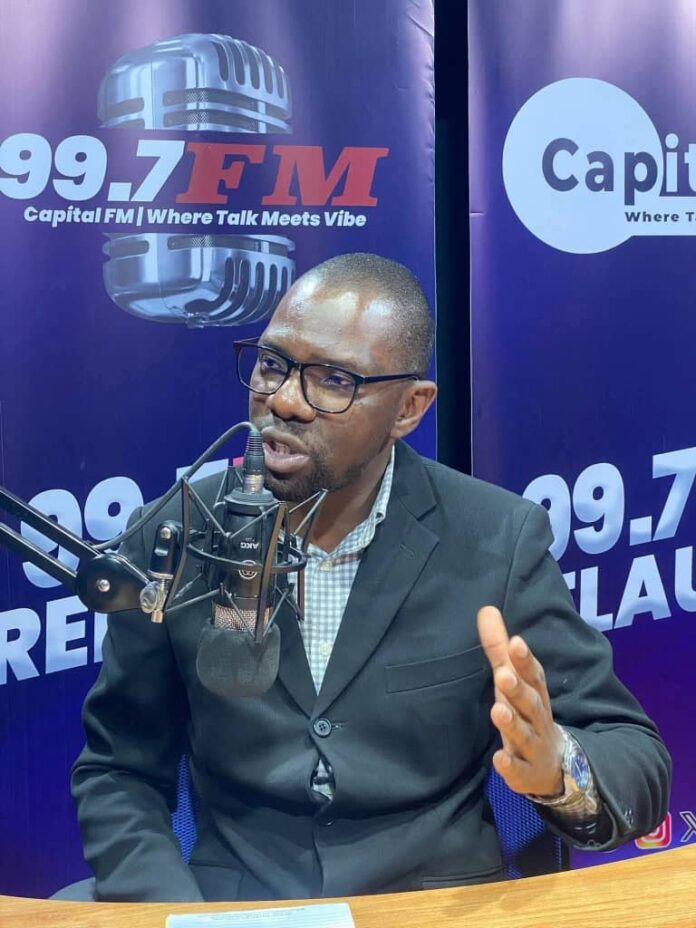
Speaking to Lusaka Star, economist Yusuf Dodia said agencies such as the Drug Enforcement Commission (DEC) should operate independently while maintaining effective checks and balances.
“They should operate independently so that we curb drug trafficking, money laundering and corruption in the country,” Dodia said.
He praised recent efforts by the DEC and the Zambia Revenue Authority (ZRA) in intercepting illegal drugs, noting the institutions have shown increased vigilance.
“They know who and where to check when they see people bringing goods from parts of the country where drugs are grown like cannabis and trading cross‑border,” he said.
However, he noted that Taxpayer Identification Numbers (TPINs) have done little to help authorities identify traffickers, since they apply mainly to legal businesses.
Meanwhile, economist Kelvin Chisanga said wider availability of detection equipment such as scanners could significantly improve ZRA’s ability to identify illegal traders and traffickers.
“The widespread availability of detectors such as scanners can help the Zambia Revenue Authority detect illegal traders and traffickers while also ensuring traders adhere to moral standards,” he said.
He added that enhanced screening technologies could also expose legitimate businesses engaged in illegal trading, adding that this may also help identify legal players in the market who indulge in illegal trading and trafficking.
The call comes as Zambia intensifies efforts to combat drug trafficking, money laundering and related financial crimes through stronger enforcement and border security measures.