


Behind Zambia’s traditional communities, what generational practices have survived for thousands of years, and how have the customs, beliefs, and rituals that once honoured leaders in death now evolved?
A thousand years ago, the death of a chief was more than the passing of a leader. It marked the beginning of a sacred journey into the ancestral world. According to oral traditions passed down by elders, chiefs were sometimes buried alongside chosen individuals, or even their wives, who were believed to accompany them into the afterlife.
This practice reflected a deep-rooted belief that death was not an end, but a transition to another realm where the chief would continue his leadership among the ancestors.
For many kingdoms, these people were considered escorts, ensuring that the chief did not enter the next world alone.
Although the practice may seem shocking or cruel by today’s standards, it was viewed at the time as a demonstration of loyalty, respect, and devotion to traditional authority.
Over the years, societal evolution, new religious beliefs, human rights, and the introduction of laws such as the right to life led to the end of these practices. Communities adapted by developing new rituals and ceremonies that preserved the spirit of tradition without violating human life.
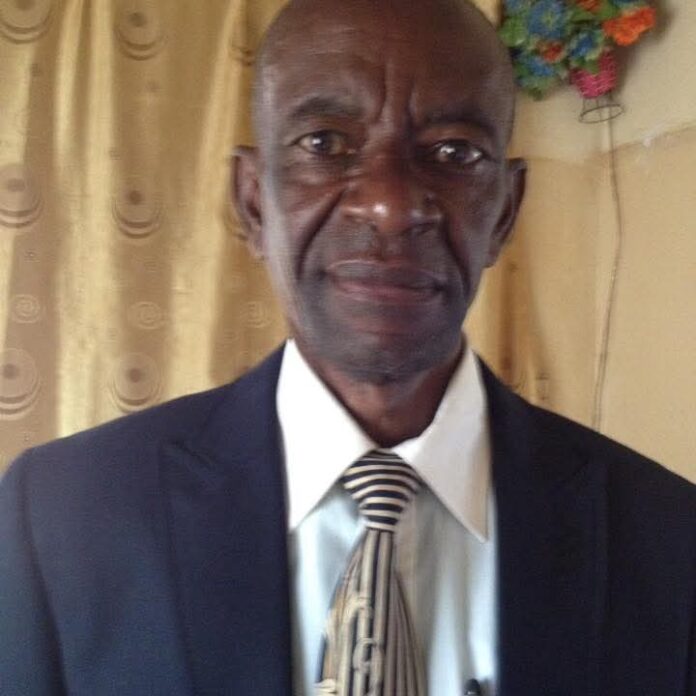
According to Chitimukulu Chiefdom Headman Gilbert Chilufya Mulenga,explained that when a chief died, the body would be taken to a place called Babenye, where it was kept for a year and embalmed with cowpeas until it became small.
“Burying the chief with an escort was a symbol of respect for our leader. The significance of burying the chief with an escort was to show a smooth transition to the next life.” He said.
In Bemba practice, royal burials were strict. Children and ordinary mourners were not allowed to be present. When it was time for burial, the Shichingos would carry the body from Kamasa to Chisali, where the chief was buried at a place called Mwalule. Only the Bashi Mwalule were permitted to enter.
“In that period, children would be killed to serve as pillows for the chief, which we call Insayilo two placed at the feet and one at the head,” Gilbert said.
“It was also believed that if an ordinary person entered the Mwalule burial site, they would not find their way out.”
Today, the ritual represents continuity between the past and the present, allowing communities to honour their traditions without sacrificing human life.
These practices show that the traditions were meant to signify the continuity of a chief’s leadership in the next world, while cattle, wealth, and resources demonstrated the chief’s status and existence.
And Doreen Tembo, a 72-year-old Lusaka resident, described these traditions as the backbone of Zambia heritage.
“Every practice was a building block of the Zambia we have today. When a chief dies, it is not just a community losing a leader, but losing part of itself,” she said.
“Although we knew it was about continuity in the afterlife, the gap was deeply felt. In Eastern Province, a chief is buried while seated as a sign that a true king never dies.”
“When a chief dies, the person in charge of announcing the funeral is the induna, who sounds the drums. During that mourning period, a pillow called munsamiro was needed to bury with the chief. “
“In that period, children and adults would lose their lives because the chief needed an escort to the afterlife, though some used to volunteer themselves as a sign of respect.”
It is important that these practices are preserved through documentation and memory, rather than abandoned entirely. The burial practices of chiefs remain a reminder of the country’s rich cultural history.
They tell a story not only of death and honour, but also of how traditions can evolve, adapting to the needs and beliefs of each generation while keeping the spirit of the past alive. Seeing this traditional evolution even in the modern era is a very important thing.