


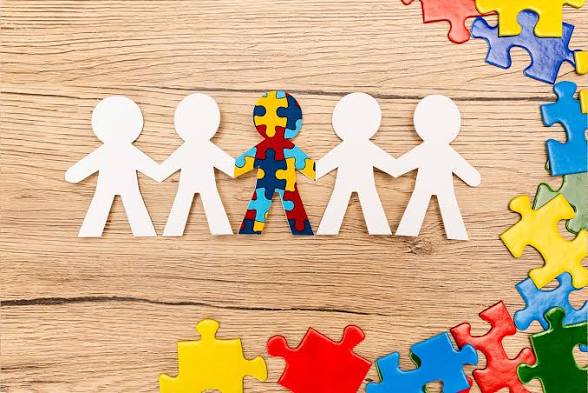
Autism Spectrum Disorder (ASD) is a neurodevelopmental condition that affects how a person communicates, interacts with others, and experiences the world.
It is not a disease or a spiritual condition, but a difference in brain development that varies from one individual to another.
When a child doesn’t meet developmental milestones, or communicates and interacts with the world differently, families are often met with a barrage of traditional beliefs and damaging misinformation long before they hear the word “autism.”
This is the reality for countless families across the country, who find themselves navigating a landscape of stigma where neurodevelopmental conditions are frequently misunderstood as spiritual failings, the result of poor parenting, or a sign of intellectual deficit.
These misconceptions create profound barriers, delaying access to crucial support services and fostering social isolation for both children and their caregivers.
A lack of clear, accessible information, particularly before a formal diagnosis, is a significant source of extra worry for parents of children with autism in Lusaka, according to a 2023 study on the experiences of caregivers.
One of the most pervasive and harmful misconceptions is the belief that autism is the result of a curse, witchcraft, or a spiritual problem within the family.
This interpretation can lead families to seek spiritual deliverance over medical assessment, delaying diagnosis and early intervention that are critical for a child’s development.
This belief system places a heavy burden of shame on families, isolating them from their communities at a time when they need support the most.
Experts are clear that Autism Spectrum Disorder (ASD) is not a spiritual condition but a neurodevelopmental one, with its origins rooted in genetic and neurological factors.
According to Dr. Humphrey Mwila, a health expert, some communities believe autism is caused by witchcraft or spiritual issues, sometimes due to limited access to health services.
“Maybe the autistic child lives in a rural part of Zambia and cannot access a nearby medical facility,” Dr. Mwila said.
“Due to stigma and discrimination, some families may hide an autistic child because they do not want others to know that the child has difficulties in communication.”
He added that genetic factors affect brain development, noting that if a family has a child with autism, the likelihood of that child later having a child on the spectrum may be higher.
He explains that autism is linked to differences in brain development, particularly in how the brain grows and processes information.
If autism begins in the wiring of the brain long before birth, why does society still wire its blame to the mother?
Dr. Mwila explains that environmental factors can also play a role, particularly those present before birth.
“This includes what the mother may have been exposed to, as well as complications during pregnancy or childbirth,” Dr. Mwila said.
“Exposure to infections or harmful substances can affect development, and in some cases, these factors may be passed from one generation to another.”
The emotional toll on families is significant, particularly in communities where stigma persists.
If the community is quick to blame but slow to learn, are parents truly unprepared, or are we?
According to Henry Ndendelika, Autism Spectrum Disorder (ASD) advocate at the Malinga Autism Foundation, in many cases, parents feel alone and unprepared, especially in communities where they are blamed or misunderstood.
“Raising an autistic child can feel like walking through a maze where you don’t know what comes next,” Ndendelika said.
This misconception wrongly attributes a child’s neurological responses to a failure in parenting.
It ignores the reality that behaviours such as difficulty with eye contact or socializing are not acts of defiance but core characteristics of autism.