


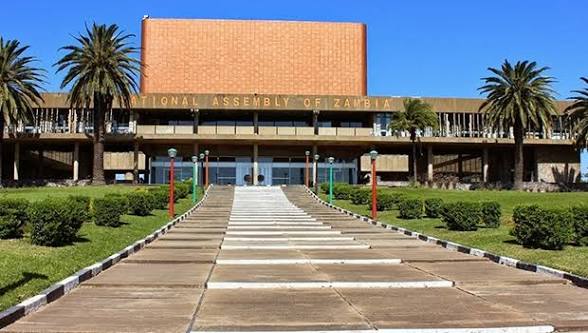
The Zambian Children, Young People and Women in Development (ZCYPWD) has called for the immediate and effective implementation of youth-reserved parliamentary seats following the completion of Zambia’s delimitation exercise ahead of the 2026 general elections.
This call comes after the Electoral Commission of Zambia (ECZ) published the names and boundaries of 70 newly created constituencies in the Government Gazette on April 15, marking the final stage of the delimitation process under the revised constitutional framework.
Speaking in an interview with Lusaka star, ZCYPWD Vice President Hellen Bwalya said youth representation is key to addressing national challenges such as unemployment, education reform, climate change, and digital transformation.
“You cannot effectively address issues affecting young people without involving them directly in leadership,young legislators understand these realities better,” Bwalya said.
She said the introduction of youth-reserved seats presents a critical opportunity to enhance youth representation in governance and must not remain a symbolic gesture.
And Political analyst Derrick Sinjela stressed that the reforms must translate into real participation of young people in decision-making processes.
“We cannot claim to be a democracratic country when a large portion of the population is excluded from direct representation,governance without youth is governance about them, without them,” Sinjela said.
Meanwhile, the ECZ has maintained that the delimitation exercise was necessary to correct representation imbalances caused by population growth and demographic changes across the country, with the new constituencies expected to take effect on May 15 after the dissolution of Parliament.
Zambia’s parliamentary seats have increased from 156 to 226, alongside the introduction of 40 proportional representation seats reserved for women, youths, and persons with disabilities.