


A University Teaching Hospital (UTH) neurologist consultant has urged members of the public to recognise stroke warning signs and seek immediate medical attention to improve their chances of recovery ahead of World Stroke Day.
Dr. Musisye Maurice Luchembe said the hospital attends to close to 60 stroke cases every month, highlighting the need for increased public awareness and prevention.
“One in four people has a lifetime risk of having a stroke,” Dr. Luchembe said.
“Risk factors such as high blood pressure, diabetes, high cholesterol, smoking and sedentary lifestyles can affect people from as early as 35 years of age.”
He said before specialist services were introduced at UTH, the hospital recorded a mortality rate of close to 40 percent among admitted stroke patients.
He added that care has since improved and efforts are underway to expand specialist services across the country.
Dr. Luchembe said early treatment and rehabilitation are important in helping stroke survivors regain their abilities and return to productive work, urging the public to seek medical attention as soon as symptoms appear.
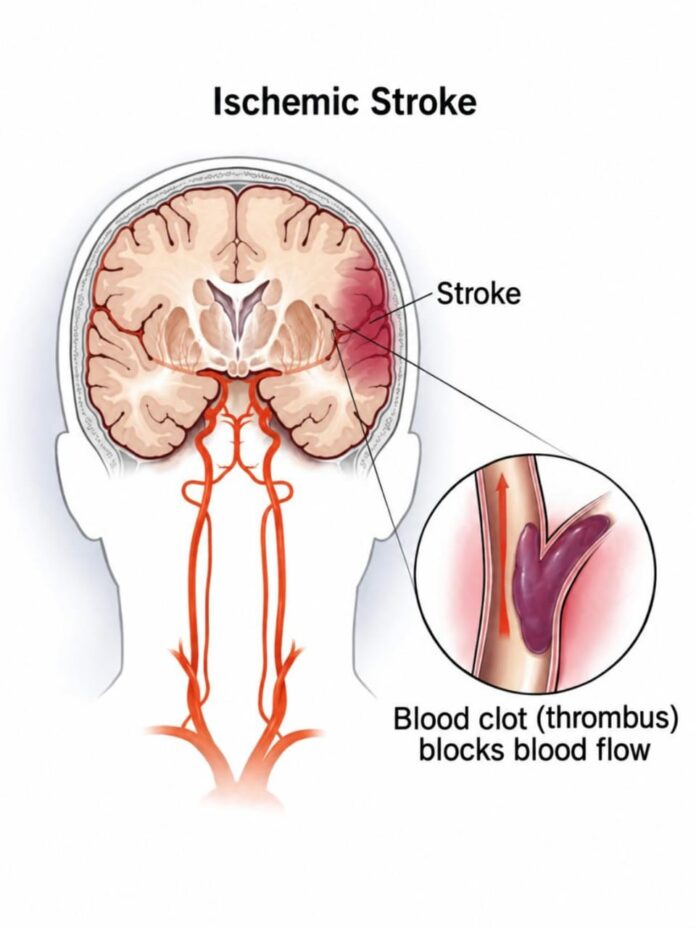
Meanwhile, a Medical student Chipo Moono explained that a stroke occurs when the blood supply to the brain is disrupted, either through a blockage that prevents the brain from receiving sufficient oxygen or a ruptured blood vessel that causes bleeding.
Moono said the warning signs can be remembered through the BE FAST guide, which covers sudden loss of balance, vision problems, facial drooping, arm weakness and speech difficulties, with the final letter reminding people that time is critical.