


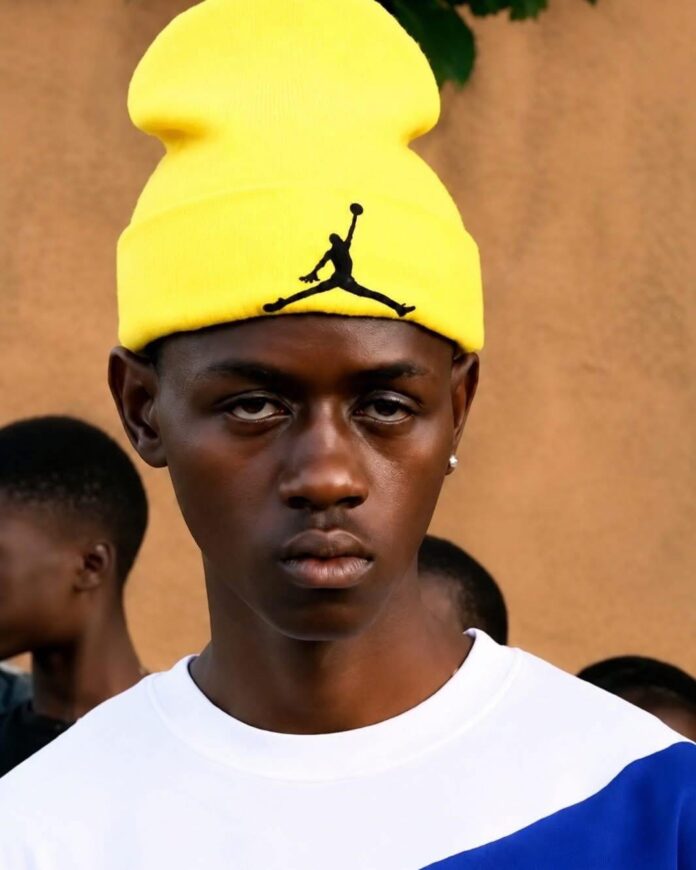
In Zambia, Daddy Zemus is called the Father of Freestyle and the Father of Zam-Rap. He made history as the first rapper to rhyme in a local Zambian language.
Freestyling is the art of improvising creative work in real time without a strict plan. In hip-hop culture, it usually means rapping. It can mean making up rhymes completely “off the top of the head,” or reciting pre-written verses that do not follow a specific story or topic over an instrumental beat.
The evolution of freestyle rapping in Zambia is a fascinating journey. It mirrors the country’s socio-economic changes, transforming from a localized imitation of Western hip-hop into a highly commercialized, vernacular-driven art form.
Daddy Zemus broke the mold of copying American and British rap. He started toasting and rapping in Nyanja, Bemba, and other local languages.
Artists like Slapdee call him one of their biggest inspirations and often refer to him as a pioneer who opened doors for Zambian hip-hop. Slapdee grew up listening to Zemus.
He has said that Zemus was the first person to make him believe you could rap and sing in Zambian languages and still become big. That is why Slapdee also pushes Chinyanja, Bemba, and Lozi in his music instead of using only English.
In interviews and on stage, Slapdee has called Daddy Zemus the Father of Zam-Rap and Zam-Dancehall. He credits Zemus for proving that local language plus rhythm could top charts.
Slapdee positions himself as part of the generation that took what Zemus started and pushed it commercially. Zemus broke the ground in the late 1990s. Slapdee scaled it in the 2000s and 2010s with songs like Black Na White and So Che.
Slapdee talking about Zemus shows how that freestyle and local rap DNA has stayed alive. Without Zemus, there probably would not be a Slapdee doing Zambian rap on a continental stage.
Over time, the metric for a great freestyle shifted. It moved toward aggressive punchlines, intricate metaphor structures, and relatable social commentary. This made the rap game highly competitive.
Is Man Super the best freestyler right now?
Man Super is a Zambian young rapper and freestyler who has been blowing up on TikTok and in the streets lately. He is part of the new-school Zambian rap and freestyle wave. He is known for raw, high-energy freestyles and for creating trending sounds on TikTok.
There is a constant debate on TikTok about who is the king of freestyle in Zambia, and he is often compared to Fly Teapanasela. In short, Man Super represents the social media and street freestyle generation short, punchy bars made to go viral, often delivered in local languages.
Whether he is the best depends on which definition of freestyler you are using. The classic definition is off-the-dome, no writing.By this standard, a true freestyler can jump on any beat and spit bars with no preparation.
It has not been 100 percent proven that Man Super does 100 percent off-the-dome cyphers yet. Most of his viral clips are written verses performed as freestyles, which is what 90 percent of rappers do on TikTok and YouTube now.
Like Daddy Zemus and Slapdee before him, Man Super raps in local languages and Zambian slang. Mixing Nyanja, Bemba, and street terms makes him sound authentic to the streets and not like a copy of American rap. That relatability is why Zambian TikTok pushes him.
Meanwhile, Fly J, also known as Fly Teapanasela, is one of the top names in the Who is the King of Freestyle in Zambia debate right now. He and Man Super are the two artists who keep getting compared head-to-head on TikTok, and the conversation usually splits the audience right down the middle.
What makes Fly J stand out is his wordplay and lyricism. Where Man Super relies on raw energy and punchy one-liners, Fly J is known for a smoother flow, clever metaphors, and layered bars. Because of this, rap purists often rate him higher for technical skill.
He also stands out for his versatility. Fly J can switch seamlessly between English and local Zambian languages in the same verse. His delivery is more controlled than aggressive. There is less shouting and more focus on technique, timing, and breath control.
Fly J represents classic freestyle culture. He does a lot of the traditional beat, mic, and camera freestyles that put the lyrics first. This is why many fans see him as the lyrical side of the debate.
His fan base reflects that divide. On TikTok, the comments are almost always Man Super vs Fly Teapanasela. Half the people vote for Man Super because of energy and virality, and the other half vote for Fly J because of skill and wordplay.
📸: Lukesha blogger